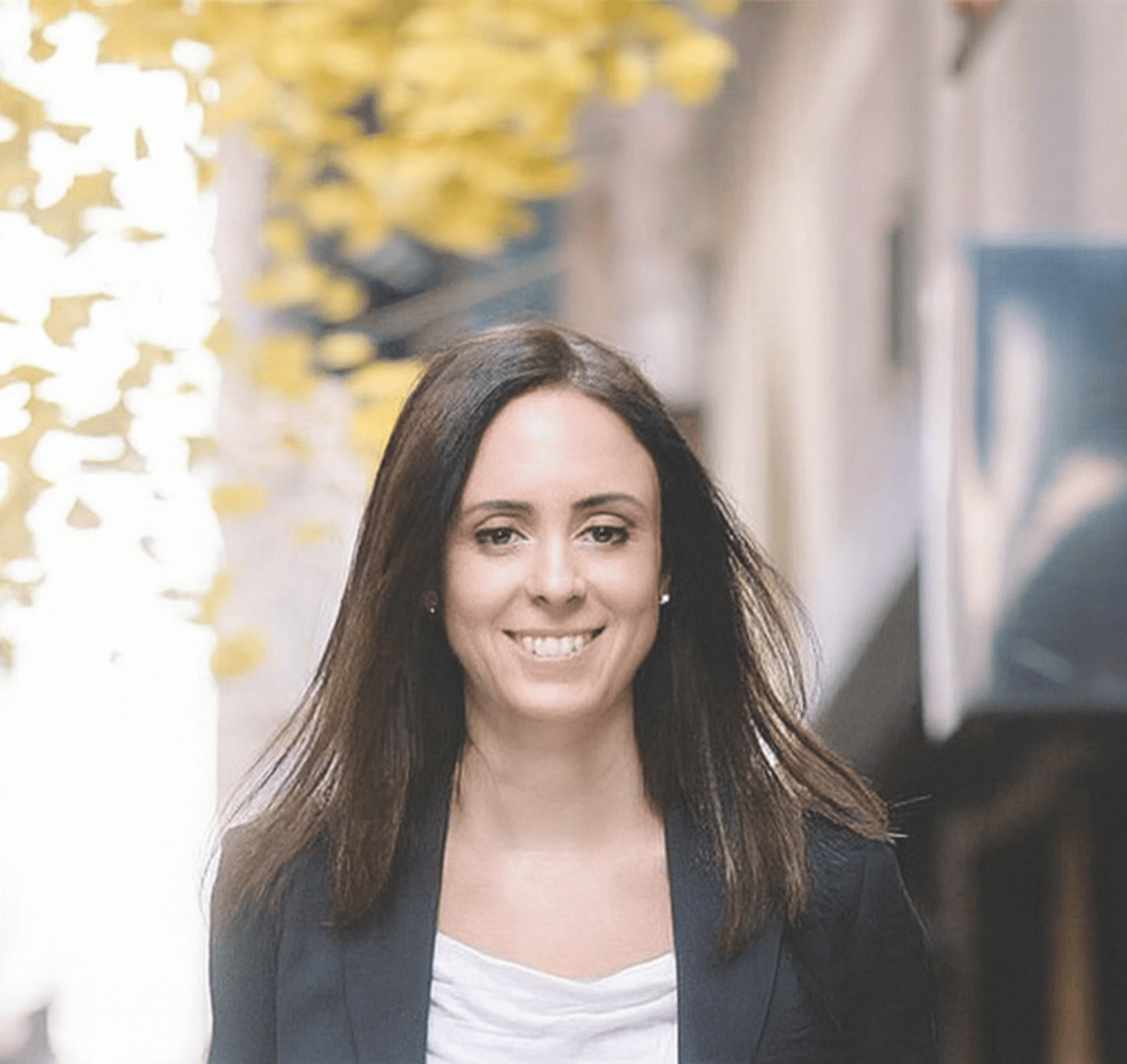


Recently, we caught up with Doug Massa, Technology Relationship Manager at UC Berkeley Haas School of Business. Massa connects students with companies and opportunities across tech, fintech, and AI. His Role → Industry → Company framework has helped hundreds of MBAs land jobs at top companies.
It’s no secret that the job market has been challenging these past few years. However, MBA students who have learned how to stay on top of the trends and navigate market changes have landed great offers.
Here are some of the key trends we discussed regarding MBA recruiting from the recent fall season:
MBAs are waiting longer for internship conversion offers
If you're a current MBA student waiting to hear about your post-internship job offer, you're not alone. According to Massa, companies are taking significantly longer to make return offer decisions than in previous years.
"I've got a lot of students that are still waiting," Massa explains. "The companies are still engaging with the students, but haven't really come back and said, yes or no."
Why the wait? Budget constraints, shifting priorities, and yes – productivity gains with AI – are common holdups as companies plan for 2026.
Fall hiring for full-time roles in tech is dead
Here's something that might surprise candidates: fall hiring for full-time roles in tech, largely the domain of big tech companies, has essentially disappeared.
"That has pretty much gone away," Massa shares. "The message that I usually give students is to focus on your internship conversion. And that if that doesn't work out, or if you decide you don't want to go there, then it's going to be a just-in-time spring hire."
What does that just-in-time roadmap look like? Students should start actively applying for full-time roles in late February through March – and beyond.
What’s driving the shift?
The job market has been tight, there’s a lot of great tech talent already available due to layoffs, and companies can find candidates who can start now. They don't need to lock in someone who won't start for six to eight months.
Internship hiring is holding steady and full-time outcomes were strong
Despite the delays in internship conversion offers and layoff headlines, there's good news on the internship front.
For summer 2026 internships, Massa reports that hiring is "flat to slightly above last year" in tech. "It definitely hasn't gone down. It's maybe slightly up."
Consulting also showed resilience in the Class of 2025 employment outcomes. "Consulting came back," Massa notes. The fact that MBB firms continued strong hiring signals healthy demand – despite concerns about the effect of AI.
AI questions are now standard in tech interviews
If you thought AI proficiency was just a nice-to-have, think again.
"I'm actually starting to see a lot of AI related questions being asked during interviews," Massa shares. "For example, there's a couple companies that are interviewing for PM internship roles right now, and the questions are centered around AI."
If you’re interviewing, expect questions like:
When have you used AI?
Where are the opportunities to integrate AI?
How did you measure the outcome of the tools you use?
Companies want to see familiarity across multiple tools – not just ChatGPT. "They like to see a general knowledge base of using these tools – whether it's Copilot or Anthropic or Perplexity, whatever it is," Massa says.
What should MBAs do right now?
For those waiting on conversions or planning spring recruiting, Massa recommends using this time strategically:
Continue networking (but don't ask for referrals yet). Instead, ask questions like: "Where is your business going in 2026? Where are you placing your bets now and what are your needs going to be?"
Build AI proficiency across tools. "Use it in any class projects. Start your own side project. Look at whether there are other companies that you approach for an internship or project where you can pick up some more skills."
Develop specific use cases with measurable outcomes. Companies don't just want to hear you've used AI – they want to know what you achieved with it.
Related: Top MBA programs are formalizing their AI curricula. Learn more about Haas’s AI certificate program.
The bigger picture
Massa remains optimistic about Haas outcomes. From the Class of 2025, 86% of grads received offers within three months, and 84% accepted offers in the same time frame. Tech and consulting continue to dominate placements.
While these figures are down a few percentage points from some of the highest years, they are very strong employment outcomes for a “bad” job market.
However, the path to those outcomes has changed. Just-in-time hiring, requirements for AI proficiency, and longer decision timelines are the new norm.
The students who adapt to this reality by building diverse company target lists, developing demonstrable AI skills, and staying patient through longer conversion windows will land strong opportunities. They just need to adjust their expectations about timing and process.
Doug Massa is Technology Relationship Manager at UC Berkeley Haas School of Business. Check out his Role → Industry → Company framework to structure your job search.